
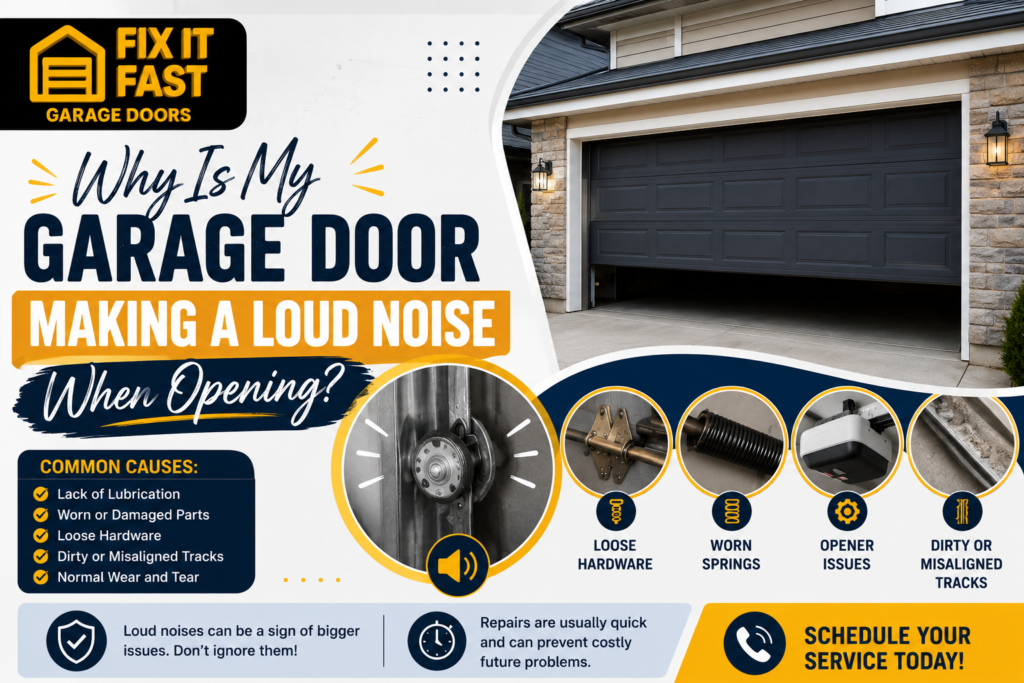
A garage door should open smoothly with minimal noise. While some sound is normal during operation, loud grinding, squeaking, rattling, banging, or popping noises are usually signs that something within the system needs attention. Ignoring these warning signs can lead to larger repair costs, safety concerns, and even complete garage door failure.
For homeowners in Oklahoma City, understanding why a garage door becomes noisy can help prevent unexpected breakdowns and extend the life of the system. If your garage door has recently started making loud noises while opening, identifying the cause early is the best way to avoid more serious problems.
Many homeowners rely on trusted garage doors okc professionals when unusual garage door sounds begin to appear.
What Causes a Garage Door to Become Noisy?
Garage doors contain many moving parts that work together every day. Rollers, hinges, springs, tracks, cables, and openers all experience wear over time. When one or more components begin to fail, noise is often the first warning sign.
A loud garage door does not always mean a major repair is needed, but it should never be ignored.
Homeowners seeking reliable garage doors services often discover that early repairs are less expensive than waiting until a complete breakdown occurs.
Worn or Damaged Rollers
Garage door rollers help guide the door smoothly along the tracks. As rollers age, they can become worn, cracked, or damaged.
When this happens, homeowners may hear grinding, squeaking, or rattling sounds each time the door opens or closes.
Metal rollers are especially prone to becoming noisy as they wear. Replacing old rollers often improves both performance and noise levels.
Lack of Lubrication
One of the most common reasons a garage door becomes loud is insufficient lubrication.
Garage door components generate friction during operation. Without proper lubrication, hinges, rollers, bearings, and springs may begin squeaking or grinding against each other.
Regular maintenance helps reduce wear and keeps the entire system operating quietly.
Loose Hardware
Garage doors move thousands of times throughout their lifespan. This constant motion can gradually loosen bolts, screws, brackets, and hinges.
Loose hardware often causes rattling, vibrating, or shaking sounds during operation.
A professional inspection can identify loose components before they create additional damage.
Problems with Garage Door Springs
Garage door springs handle much of the weight of the door. When springs begin wearing out, they often create popping, creaking, or snapping noises.
A damaged spring should never be ignored because it can affect both safety and performance.
Homeowners concerned about spring-related noises should read Why Is My Garage Door So Loud? for a more detailed look at common garage door sound issues.
Damaged Tracks or Alignment Problems
Garage door tracks guide the door as it moves. If the tracks become bent, loose, or misaligned, the rollers may struggle to move properly.
This often results in scraping, grinding, or banging sounds.
Track issues can also place extra strain on the garage door opener and other components, making repairs more expensive if left untreated.
Garage Door Opener Issues
Sometimes the source of the noise is not the garage door itself but the opener.
Older openers may develop worn gears, loose chains, or motor problems that create humming, grinding, or vibrating sounds.
If the opener struggles to lift the door, additional strain may be placed on the entire system.
Professional diagnosis helps determine whether repair or replacement is the best solution.
Weather and Temperature Changes
Oklahoma City experiences significant seasonal weather changes throughout the year.
Temperature fluctuations can cause metal garage door components to expand and contract. Over time, this movement may create additional noise, especially if parts are already worn or poorly lubricated.
Regular maintenance becomes even more important during extreme weather conditions.
Could a Loud Garage Door Be Dangerous?
In some situations, yes.
While many noises are caused by normal wear, others may indicate serious structural or mechanical issues. A loud popping sound, broken spring, or severe track problem should be inspected immediately.
Homeowners worried about safety should review Can a Garage Door Fall Suddenly? to understand the risks associated with damaged garage door components.
Addressing unusual sounds early can help prevent accidents and costly repairs.
When Should You Schedule Repairs?
The sooner a noisy garage door is inspected, the better.
Small issues such as worn rollers or loose hardware can often be corrected quickly. Waiting too long may allow the problem to affect additional parts of the system.
Many homeowners are surprised to learn How Long Does Garage Door Repair Take? because many common repairs can be completed within just a few hours.
Prompt service helps restore smooth operation and prevent further damage.
How to Prevent Garage Door Noise
Routine maintenance is the best way to keep a garage door operating quietly.
Regular inspections, lubrication, hardware adjustments, and component replacements can significantly reduce noise and improve overall performance.
A well-maintained garage door not only operates more quietly but also lasts longer and requires fewer repairs.
FAQ About Loud Garage Doors
Why does my garage door make a grinding noise when opening?
Grinding noises often indicate worn rollers, damaged tracks, or garage door opener problems.
Can lubrication stop garage door noise?
Yes. Proper lubrication can reduce friction and eliminate many common squeaking and grinding sounds.
Are loud garage door noises dangerous?
Some noises may indicate serious problems such as broken springs, damaged tracks, or structural issues.
Should I ignore occasional garage door noises?
No. Even minor noises can be early warning signs of developing mechanical problems.
Restore Quiet Garage Door Performance Today
A loud garage door is often a sign that something within the system needs attention. Whether the cause is worn rollers, damaged springs, loose hardware, or opener issues, addressing the problem early can prevent larger repairs and improve safety.
For professional garage door inspections, repairs, and maintenance in Oklahoma City, visit Fix It Fast Garage Doors and schedule expert service today.