
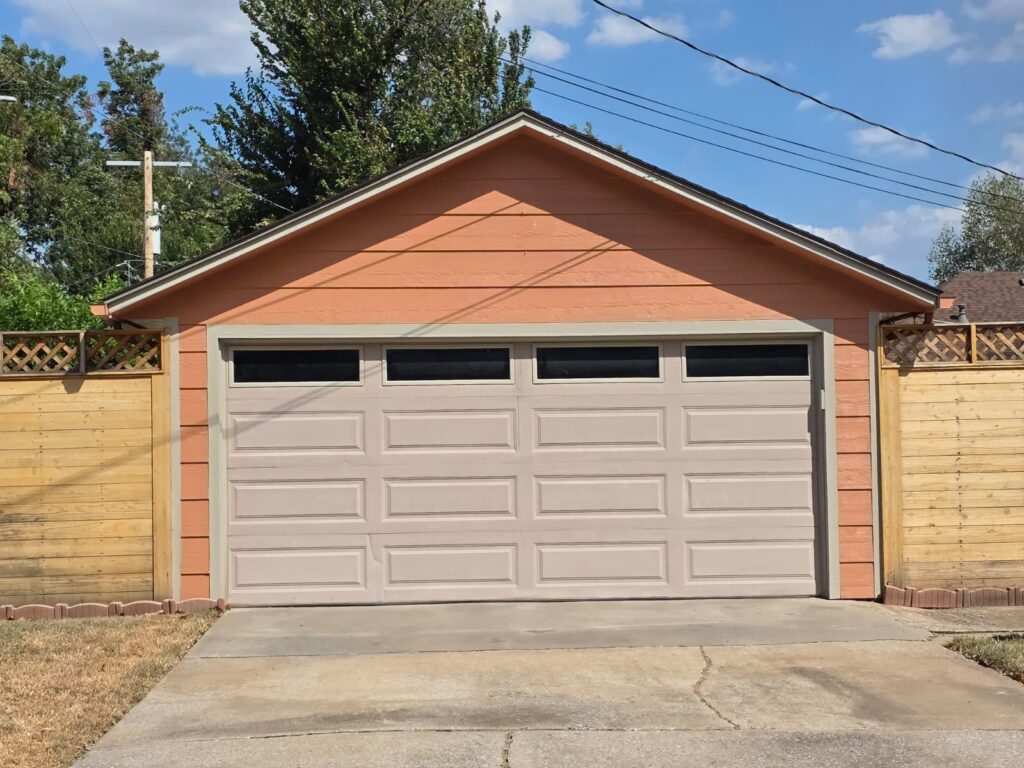
Living in Florida means enjoying warm weather, but it also means dealing with high humidity for much of the year. Most homeowners think about humidity affecting walls, furniture, or indoor comfort, but it can also affect your garage door system.
Moisture in the air can slowly damage springs, tracks, rollers, hinges, cables, weather seals, and even wooden garage door panels. Over time, this can lead to rust, unusual noises, rough movement, or repeated repairs.
If you own Garage Doors Florida, understanding how humidity affects your system can help you spot small problems early and keep your door working properly.
Homeowners who need professional help can visit our Garage Doors page for repair, maintenance, installation, and garage door service information.
Why Does Florida Humidity Affect Garage Doors?
Florida has warm and humid weather for much of the year. Moisture stays in the air and settles on many parts of your garage door.
Metal parts may start to rust. Wooden panels may absorb moisture. Rubber weather seals may wear out faster, and moving parts may develop extra friction.
These changes usually happen slowly. You may not notice anything at first. After some time, however, the garage door may become noisy, slow, uneven, or difficult to operate.
This is why regular Garage Doors Florida service is important, especially in areas where humidity remains high for long periods.
How Does Humidity Affect Metal Garage Door Parts?
Many garage door parts are made from metal, including springs, rollers, tracks, hinges, brackets, and cables.
When moisture remains on these parts, rust can begin to form. A small amount of rust may not seem serious, but over time it can make moving parts harder to operate.
Rust also creates more friction. This can make your opener work harder than it should.
Homeowners who notice squeaking, grinding, or rattling should read Why Is My Garage Door Making a Loud Noise When Opening? to understand what may be causing the sound.
Can Florida Humidity Damage Wooden Garage Doors?
Yes. Wooden garage doors can be more sensitive to humid weather because wood naturally absorbs moisture.
When a wooden garage door takes in too much moisture, it may expand or swell. This can make the door rub against the frame or move unevenly.
You may also notice peeling paint, small cracks, or changes in how the panels fit together.
Keeping the door properly sealed can help reduce moisture damage. Regular inspections are also useful because a small change in the wood can become a bigger problem later.
Why Do Garage Door Springs Wear Out Faster in Humid Weather?
Garage door springs work under heavy tension every time the door opens and closes.
Humidity can cause moisture to settle on the surface of the springs. Over time, this may lead to corrosion and rust.
A rusty spring can become weaker and may not last as long as a properly maintained spring.
If you want to understand why springs fail, read What Causes Garage Door Springs to Break?.
You can also learn more about their normal lifespan in How Long Do Garage Door Springs Usually Last?.
Can Humidity Make Your Garage Door Noisy?
Yes. High humidity can affect rollers, hinges, tracks, bearings, and other moving parts.
Moisture can mix with dust and dirt, creating buildup. This can increase friction and cause the garage door to make more noise than usual.
You may hear:
- Squeaking
- Grinding
- Rattling
- Scraping
- Popping
Some noises can be fixed with cleaning, lubrication, or replacing worn parts. Other sounds may point to a more serious problem.
If your garage door suddenly becomes much louder, it is better to have it checked rather than ignore it.
Does Humidity Affect Garage Door Tracks and Rollers?
Yes. Tracks and rollers are very important because they guide the garage door as it opens and closes.
Humidity can cause rust to form on metal tracks or roller parts. Moisture can also cause dirt to stick more easily.
When tracks and rollers are dirty or rusty, the door may begin to move roughly.
You may notice the door shaking, slowing down, or making grinding sounds.
For Garage Doors in FL, regular cleaning and maintenance can help keep these moving parts in better condition.
Can Humidity Damage Garage Door Cables?
Garage door cables help support and lift the weight of the door.
Because the cables are made from metal strands, they can also be affected by moisture and rust.
Over time, corrosion may weaken the cable strands. You may notice fraying, rust spots, or uneven movement on one side of the door.
Garage door cables operate under high tension, so damaged cables should be handled by a trained technician rather than repaired by the homeowner.
How Does Humidity Affect Weather Seals?
Weather seals help keep moisture, dust, insects, and outside air from entering your garage.
Florida heat and humidity can cause rubber seals to become worn, brittle, or loose over time.
Once the seal is damaged, more humid air may enter the garage. This can increase moisture around tools, stored items, metal hardware, and the garage door itself.
Checking the bottom seal and side seals every few months is a simple way to catch problems early.
Can Humidity Affect the Garage Door Opener?
Humidity may not always damage the opener directly, but it can affect parts connected to it.
Rusty tracks, worn rollers, stiff hinges, or corroded springs can make the opener work harder.
Moisture can also affect electrical connections and safety sensors in some situations.
If the opener runs but the door does not move, read Why Won’t My Garage Door Open Even Though the Opener Works? for possible causes.
How Often Should Florida Homeowners Service Their Garage Door?
Regular maintenance is especially important in Florida because humidity can affect many different parts at the same time.
A professional garage door inspection should usually include checking:
- Springs
- Rollers
- Hinges
- Tracks
- Cables
- Weather seals
- Safety sensors
- Opener operation
To learn more, read How Often Should You Service Your Garage Door?.
Routine Garage Doors Florida service can help identify rust, worn parts, and moisture damage before they turn into larger problems.
How Can You Protect Garage Doors in FL From Humidity?
A few simple habits can help reduce humidity-related wear.
Keep moving parts properly lubricated, especially rollers, hinges, and springs. Clean dirt and debris from tracks. Look for rust on metal components and check weather seals for cracks or gaps.
Wooden doors should also be checked for swelling, peeling paint, or damaged protective finishes.
Most importantly, do not wait for the garage door to stop working completely.
Small problems are usually easier to handle when they are found early.
Why Does Regular Maintenance Matter in Florida?
Humidity is part of Florida life, so it cannot be completely avoided. What homeowners can control is how well their garage door is maintained.
Regular maintenance can reduce friction, help control rust, catch worn parts early, and keep the door moving properly.
If you live in Doral or nearby areas and want local information, visit our Garage Doors Florida page.
Keeping up with inspections is one of the easiest ways to help your garage door handle Florida’s humid weather.
Florida humidity can slowly affect almost every part of a garage door system. Springs can rust, tracks can collect moisture, rollers can become noisy, weather seals can wear out, and wooden panels may swell.
The good news is that most of these problems do not appear overnight.
Regular inspections, cleaning, lubrication, and timely repairs can help keep Garage Doors Florida working smoothly.
If you notice unusual noise, rust, uneven movement, or trouble opening and closing the door, it is a good idea to arrange professional Garage Doors Florida service before the problem becomes more serious.
For repair, maintenance, installation, and general garage door help, visit Garage Doors or learn more about local Garage Doors Florida services.
Frequently Asked Questions
Does Florida humidity damage garage door springs?
Yes. Humidity can contribute to rust and corrosion on garage door springs. Over time, this can weaken the surface and may reduce the life of the spring.
Why does my garage door get noisier during humid weather?
Humidity can increase moisture around rollers, hinges, tracks, and other moving parts. When moisture mixes with dirt, it can create extra friction and lead to squeaking or grinding sounds.
Can humidity make a garage door stick?
Yes. Wooden doors may absorb moisture and swell, while rusty tracks or rollers can also make movement harder.
How often should Garage Doors in FL be checked?
It is a good idea to inspect your garage door regularly and schedule professional maintenance when you notice rust, unusual sounds, rough movement, worn seals, or other changes.
What is the best way to protect a garage door from Florida humidity?
Keep tracks clean, lubricate moving parts properly, inspect for rust, maintain weather seals, protect wooden surfaces, and arrange regular Garage Doors Florida service when needed.
Can rust on a garage door be ignored?
Small surface rust may look minor, but it can spread over time. Rust on springs, cables, tracks, or other important parts should be inspected before it affects the operation of the door.
Should I replace a garage door because of humidity damage?
Not always. Minor rust, worn seals, rollers, or other parts may be repairable. Replacement may be worth considering when several major parts are damaged or the complete door is badly affected.