
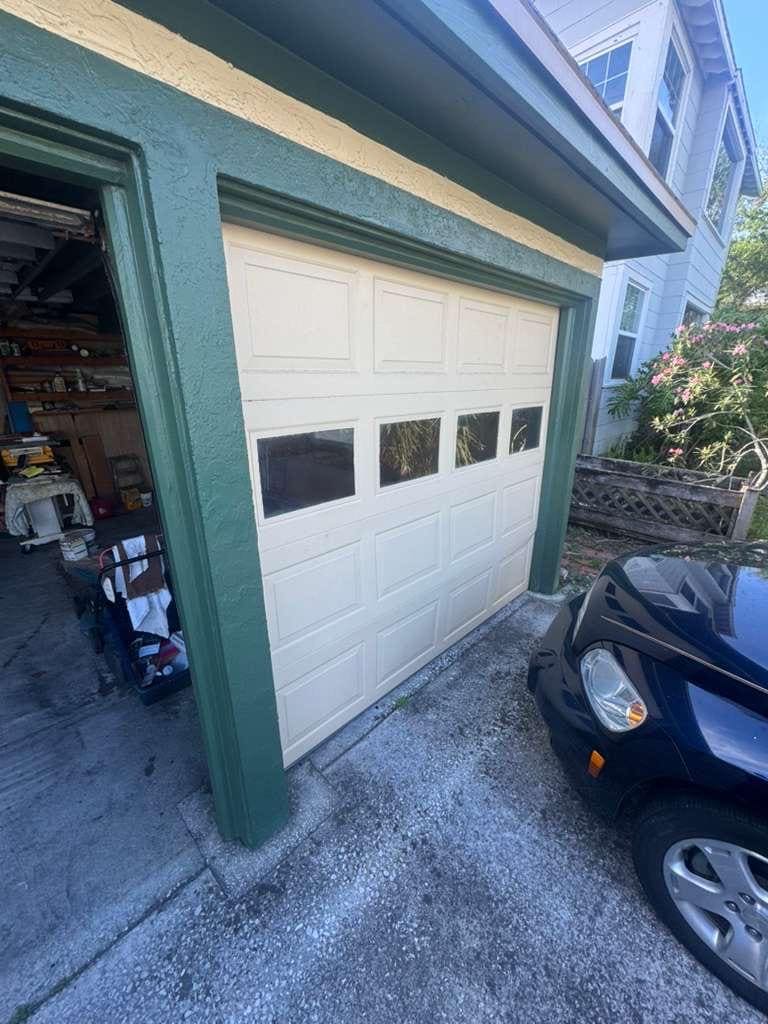
A garage door that opens slowly can quickly turn into a daily frustration. What should be a smooth and efficient process becomes time-consuming and inconvenient, especially when you’re in a hurry. While this issue might seem minor at first, it often signals underlying problems that should not be ignored. Understanding how Garage Doors operate can help you identify the cause and take the right steps to restore normal speed and performance.
Why a Garage Door Starts Slowing Down
A slow-opening garage door is usually the result of wear and tear over time. Garage door systems rely on multiple moving parts working together, including springs, rollers, tracks, and the opener. When any of these components begins to fail or lose efficiency, the entire system slows down.
In many cases, the issue develops gradually. You may not notice the change immediately, but over time, the door takes longer to open fully. This is often a sign that maintenance has been overlooked or that certain parts need adjustment or replacement.
The Impact of Springs on Door Speed
Springs play a critical role in how quickly and smoothly a garage door opens. They counterbalance the weight of the door, making it easier for the opener to lift it. If the springs are worn out or losing tension, the door may open more slowly than usual.
To better understand this, it’s helpful to explore A Complete Guide to Garage Door Springs: Types, Functions & Safety Tips. When springs are not functioning properly, the opener has to work harder, which reduces speed and increases strain on the motor. Over time, this can lead to further damage if not addressed promptly.
Additionally, learning from How Garage Door Springs Work and Why Professional Repair Matters highlights why professional inspection is often necessary when dealing with spring-related issues.
Opener Settings and Motor Performance
Another common reason for a slow garage door is related to the opener itself. Many modern openers allow you to adjust speed settings, and sometimes these settings may be configured too low. In other cases, the motor may be aging or struggling due to increased resistance within the system.
If the opener is working harder than it should, it can slow down to compensate. This is especially true when other components, such as springs or rollers, are not functioning efficiently. Ensuring that your opener is properly adjusted and in good condition is essential for maintaining optimal speed.
Friction from Rollers and Tracks
Rollers and tracks are responsible for guiding the door smoothly during operation. When these parts become dirty, worn, or poorly lubricated, they create friction that slows down movement. This added resistance forces the opener to work harder, which can significantly reduce the speed of the door.
Regular cleaning and lubrication can make a noticeable difference. Even small improvements in these areas can restore smoother and faster operation. Ignoring these components often leads to further issues, including uneven movement or shaking.
If you’ve noticed vibrations along with slow movement, it may be related to problems discussed in Why Is My Garage Door Shaking When Opening?, as both issues can stem from similar mechanical causes.
Environmental and External Factors
Temperature changes and environmental conditions can also affect how quickly your garage door opens. Cold weather can cause metal components to contract and lubricants to thicken, making movement slower. On the other hand, heat can lead to expansion, slightly altering alignment and increasing resistance.
Dust and debris buildup is another factor that often goes unnoticed. Over time, particles accumulate in the tracks and around moving parts, creating friction that impacts speed. Keeping your garage environment clean and controlled can help maintain consistent performance.
The Importance of Routine Maintenance
One of the most effective ways to prevent a slow-opening garage door is through regular maintenance. Following expert advice such as 10 Essential Garage Door Maintenance Tips to Prevent Costly Repairs ensures that all components remain in good working condition.
Routine maintenance includes inspecting springs, lubricating moving parts, tightening hardware, and checking the balance of the door. These simple steps can significantly improve performance and prevent issues from developing in the first place.
When to Take Action
If your garage door continues to open slowly despite basic maintenance, it’s important to address the issue sooner rather than later. Persistent problems may indicate deeper mechanical concerns that require professional attention. Ignoring the issue can lead to increased wear on the opener and other components, resulting in more expensive repairs down the line.
A slow garage door is not just an inconvenience—it’s a warning sign. Taking action early helps protect your investment and ensures that your garage door system remains reliable and efficient.
Restoring Speed and Efficiency
A garage door that opens slowly doesn’t have to stay that way. By understanding the common causes—whether it’s spring tension, opener settings, or friction—you can take the necessary steps to fix the problem. Regular care and timely adjustments go a long way in maintaining smooth and fast operation.
With proper attention and maintenance, your garage door can return to working the way it should—quickly, quietly, and reliably. Keeping your system in top condition not only improves convenience but also enhances the overall safety and performance of your home.