Improving energy efficiency is one of the smartest ways to reduce utility costs while enhancing indoor comfort. Many homeowners overlook the garage, even though it plays a major role in temperature control. At Fix It Fast Garage Doors, optimizing your garage system is considered a key step toward better performance, lower energy usage, and long-term reliability.
Upgrade to Insulated Garage Doors
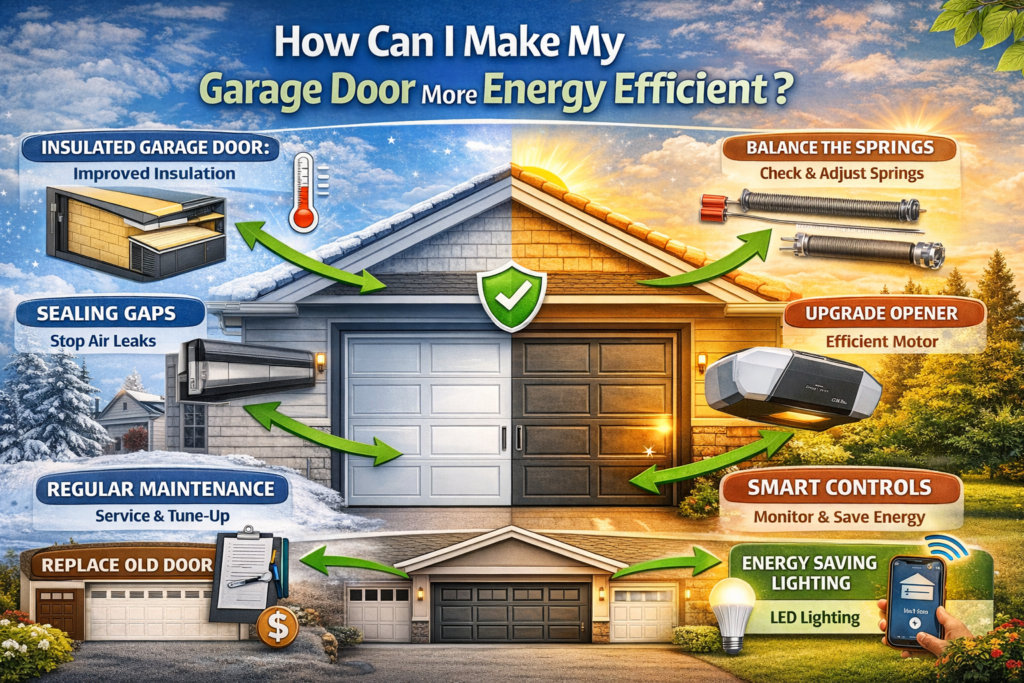
One of the most impactful upgrades is switching to an insulated model. Older systems often allow heat transfer, making your home work harder to maintain comfortable temperatures. Modern insulated doors use layered construction to trap air and create a barrier against external weather.
If your garage feels too hot in summer or too cold in winter, insulation is likely the missing piece. Investing in a better design not only improves efficiency but also reduces noise and increases durability.
Seal Gaps and Prevent Air Leaks
Even a high-quality door can lose efficiency if gaps are present. Small openings around edges, corners, and the bottom panel allow outside air to enter. Installing weather stripping and replacing worn seals can make a noticeable difference.
Air leaks are one of the most common reasons homeowners struggle with temperature control. Fixing them is simple, cost-effective, and highly beneficial for maintaining a stable indoor environment.
Keep the Opener System Efficient
Efficiency is not just about insulation—it also depends on how well your system operates. Many homeowners ask, Why Is My Garage Door Not Opening Even Though the Motor Is Running? This issue often points to mechanical inefficiencies that can waste energy and strain components.
Ensuring your opener works smoothly reduces unnecessary power usage and prevents long-term damage. A properly functioning system supports both convenience and efficiency.
Maintain Proper Spring Balance
Springs are essential for smooth and balanced movement. When they are not working correctly, the opener has to work harder, consuming more energy. A common concern is, How Do I Know If My Garage Door Spring Is Broken or Just Loose?
Addressing spring issues early helps maintain proper balance and reduces strain on the entire system. This not only improves efficiency but also enhances safety.
Consider Replacing an Outdated Door
Sometimes, upgrading is the most practical solution. Many homeowners research, What Is the Average Cost to Replace a Garage Door in 2026? While costs vary, replacing an outdated system with a modern, insulated option can significantly reduce energy loss.
Newer models are designed for performance, combining insulation, durability, and advanced features that contribute to better overall efficiency.
Fix Unpredictable Operation Issues
If your system behaves inconsistently, it can lead to unnecessary energy use. You may wonder, How Can I Fix a Garage Door That Opens and Closes Randomly? This issue often results from sensor problems, remote interference, or wiring faults.
Fixing these problems ensures the door operates only when needed, preventing wasted energy and maintaining consistent indoor conditions.
Watch for Early Warning Signs
Ignoring early warning signs can lead to major inefficiencies. Many people ask, What Are the Warning Signs My Garage Door Is About to Fail? Unusual sounds, slow movement, or uneven operation are clear indicators.
Recognizing these signs early allows for timely repairs, helping your system remain efficient and reliable without unexpected breakdowns.
Avoid Risky DIY Repairs
While DIY solutions may seem cost-effective, they can lead to bigger problems. A common question is, Is It Safe to Replace Garage Door Springs by Myself? Handling high-tension components without proper tools and expertise can be dangerous.
Professional service ensures repairs are done correctly, maintaining safety while keeping your system energy efficient.
Schedule Regular Maintenance
Routine care is essential for long-term efficiency. Many homeowners ask, How Often Should I Service My Garage Door for Best Performance? Regular inspections help identify worn parts, lubricate moving components, and ensure proper alignment.
Consistent maintenance keeps everything running smoothly, reducing energy waste and extending the lifespan of your system.
Understand Your Spring System
Different spring types affect performance and efficiency. If you’re unsure about your setup, you might ask, What’s the Difference Between Torsion and Extension Springs? Each type operates differently and impacts how smoothly the door moves.
Choosing the right system and keeping it in good condition helps maintain balance and reduces strain on the opener.
Improving energy efficiency is not about one single change—it’s about combining upgrades, maintenance, and smart usage. From insulation and sealing to mechanical care and modern technology, every step contributes to better performance.
By focusing on these improvements, you can create a Garage Doors system that supports comfort, reduces energy costs, and adds long-term value to your home.