
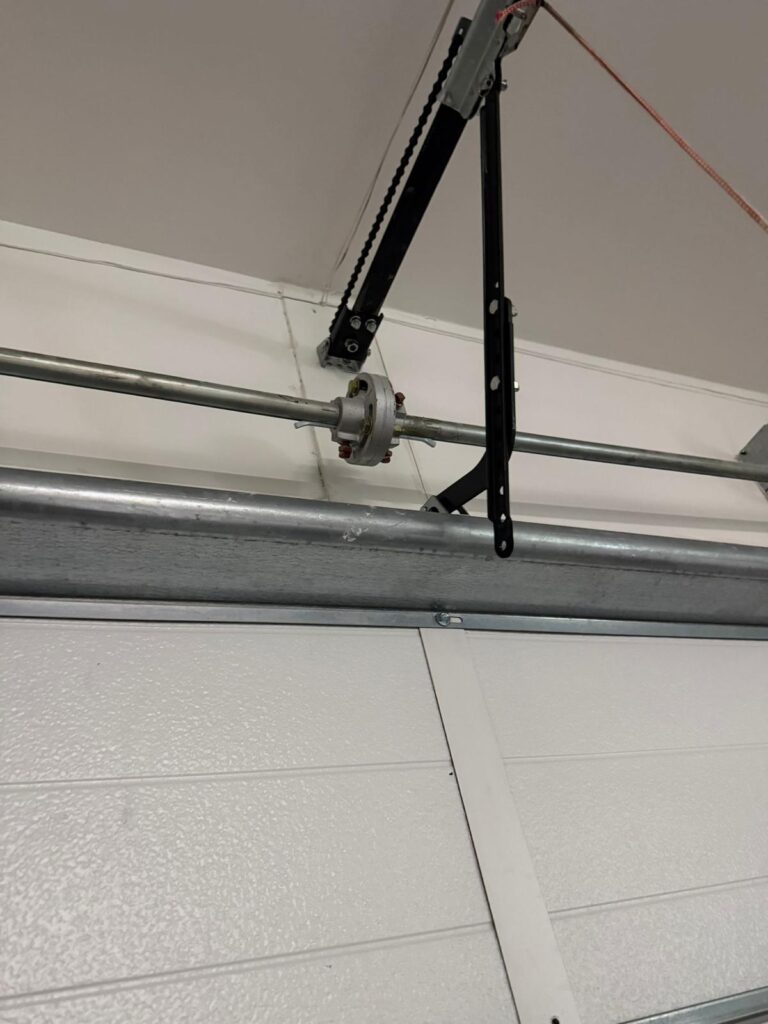
Your garage door will not open, and the motor sounds different. Is the spring broken, or has the opener stopped working? Both problems can leave your car trapped, but they need different repairs.
The main difference is simple: springs balance the door’s weight, while the opener controls its movement. A broken spring makes the door difficult to lift. An opener fault can prevent a properly balanced door from moving automatically.
If you suspect a garage door spring or opener problem, stop repeated attempts to operate it. The signs below can help you describe the trouble when arranging Garage Door Repair.
How Can You Tell Whether the Spring or Opener Is Causing Trouble?
What Does the Garage Door Spring Do?
A garage door can weigh hundreds of pounds. Its spring system balances much of that weight, helping the door move smoothly.
Many doors use torsion springs above the opening. Others have extension springs along the sides near the horizontal tracks.
The opener depends on a correctly balanced door. If a spring breaks, a working opener may struggle, stop, or lift the door only slightly. This can make a spring failure look like a motor problem.
What Does the Garage Door Opener Do?
The opener uses a motor and drive system to move the door through its opening and closing cycle. It also uses travel settings and safety controls to manage that movement.
Possible opener faults include worn gears, electrical problems, a damaged drive component, or incorrect settings.
However, a motor that hums or strains does not automatically need replacement. A spring, cable, or track problem may be putting extra load on it.
Did You Hear a Loud Bang?
A sudden bang from the garage can be a sign that a spring has broken. Some homeowners hear the noise while the door is closed and discover the problem later.
On a torsion spring system, a visible gap in the coil may confirm damage. Look from the floor without touching the spring or climbing near it.
If you suspect a break, stop using the door. Read Can I Open My Garage Door With a Broken Spring? before attempting to move it.
Does the Door Lift Only a Few Inches?
A door that rises slightly and stops may have lost spring support. The opener starts lifting, meets too much resistance, and stops.
Other possible causes include a binding roller, damaged track, engaged manual lock, or opener setting issue. This symptom alone cannot confirm a broken spring.
Do not increase the opener’s force to make the door move. A technician should inspect the door’s mechanical condition before adjusting the opener.
Does the Motor Run Without Moving the Door?
If you hear the motor running but the door stays still, the opener’s drive system or trolley connection may need attention.
A damaged gear, belt, chain, or disconnected trolley can interrupt movement. The exact cause depends on the opener model and what the rest of the system is doing.
Do not remove the motor cover or reach toward moving parts. Record any unusual sounds or error lights and share them with the repair technician.
Does the Door Look Crooked or Shake?
Uneven lifting points to a possible mechanical problem, including cable, spring, roller, or track damage. It should not be treated as a remote-control issue.
A shaking door also needs attention, especially if the movement is new or getting worse.
Our guide, Why Is My Garage Door Shaking While Opening?, explains related warning signs. Keep clear of a crooked door and avoid trying to straighten it yourself.
Does the Wall Button Work but the Remote Fail?
When the door operates normally from the wall button but does not respond to the remote, start with the remote’s battery and programming instructions.
A wall-console lock setting or signal problem may also affect remote operation. Check your model’s manual for the correct steps.
Normal operation from the wall button makes a remote-related issue more likely. However, stop testing if the door strains, shakes, or moves unevenly.
What Can You Safely Check Yourself?
Keep the inspection visual and stay outside the door’s path. Useful checks include:
- Looking for a visible spring gap.
- Noting loose cables or uneven door sections.
- Reading opener error codes.
- Checking whether a manual lock is engaged.
- Recording when the trouble started.
Do not loosen spring brackets, adjust cables, or pull the emergency release on a partly open door.
Although balance testing is part of routine maintenance, do not attempt it when spring or cable damage is suspected. Let a technician assess the door safely.
What If the Door Opens and Then Closes Quickly?
A door that drops quickly may have a serious balance or lifting-system problem. Unexpected reversal can have other causes, so the exact movement matters.
Keep people and vehicles away. Do not stand beneath the door to watch it or try to catch it.
Read Why Does My Garage Door Open Then Close Fast? for more information about this different symptom.
Should You Repair or Replace the Opener?
The answer depends on the fault, the opener’s condition, and available repair parts. A broken spring does not automatically mean you need a new opener.
Likewise, replacing the opener will not correct a door that is poorly balanced or binding.
Our article, What Is the Average Lifespan of a Garage Door Opener?, can help you consider age alongside the inspection findings.
Could a Different Door Affect the Spring System?
A replacement door may weigh more or less than the old one. The springs must match the installed door.
If you are considering an upgrade, read Are Insulated Garage Doors Worth It? and discuss the complete installation with your technician.
Who Can Diagnose a Garage Door Spring or Opener Problem?
Fix It Fast Garage Doors can inspect the door and opener to identify what needs repair. For help with Garage Doors OKC or Garage Door Florida, contact our team.
Call (888) 461-6888 to discuss the problem and arrange service.
Our License No. is SCC131154661.