Garage Doors & Garage Door Repair in OKC : What Homeowners Need to Know
Garage doors are one of the most used components of a home. When they work well, you barely notice them. When they don’t, they disrupt your day and can be a safety risk. There we will explains the basics of Garage Doors OKC, common problems, affordable maintenance tips, and when to seek professional garage door repair.
Types of Garage Doors
Choosing the right garage door matters for appearance, insulation, and durability. Common types include:
- Sectional doors — Panels that bend on tracks; popular for most homes.
- Roll-up doors — Often used for commercial spaces; space-efficient and durable.
- Side-hinged doors — Traditional swing-open doors, good for carriage-house looks.
- Carriage-style doors — Decorative, available in many materials and insulation levels.
Garage Door Components You Should Know
Understanding basic parts helps you spot issues early:
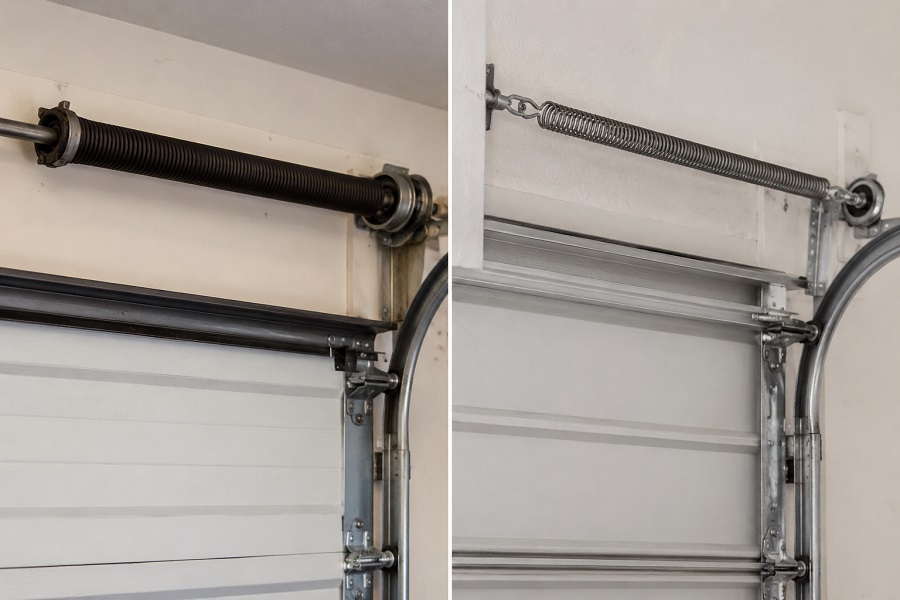
- Springs — Provide lifting force; include torsion and extension styles.
- Tracks and rollers — Guide the door’s movement; wear shows as noisy or jerky operation.
- Auto-reverse sensors — Safety devices that prevent crushing; must be aligned and clean.
- Opener — Motorized unit that opens the door; may be belt, chain, or screw drive.
- Cables and pulleys — Transfer force from springs to the door; frayed cables are dangerous.
Common Garage Doors OKC Problems
Most problems are predictable and solvable if caught early:
- Noisy operation — Often rollers, hinges, or motor issues.
- Door won’t open or close — Could be sensor misalignment, remote issues, or opener failure.
- Door reverses unexpectedly — Usually sensor or balance problems.
- Broken spring or cable — A safety hazard; do not attempt to fix yourself.
- Uneven movement — One spring or track may be failing.
Garage Door Repair: DIY vs. Professional
You can handle small maintenance tasks, but many repairs require a trained technician.
DIY tasks you can safely do
- Lubricate rollers, hinges, and springs with recommended lubricants.
- Clean and align photo-eye sensors.
- Tighten loose bolts on tracks and hardware.
- Test the auto-reverse function monthly.
Repairs that need a pro
- Spring or cable replacement — Springs store high tension and can cause serious injury.
- Track realignment if bent or severely damaged.
- Opener motor replacement or complex electrical issues.
- Structural repair to door panels or frame after impact.
How Much Does Garage Door Repair Cost?
Costs vary by region, door type, and the problem. Typical ranges:
- Minor adjustments and tune-ups: $75–$200
- Spring replacement: $150–$400 per spring
- Opener replacement: $250–$800 depending on model
- Panel replacement or major door repairs: $200–$1,000+
Always get a written estimate and ask about warranties for parts and labor.
Maintenance Checklist to Extend Door Life
Simple monthly and annual tasks keep your garage door reliable:
- Monthly: Test auto-reverse, inspect sensors, remove debris from tracks.
- Quarterly: Lubricate rollers, hinges, and bearings.
- Annually: Check balance (disconnect opener and manually lift door halfway; it should stay), inspect springs and cables, tighten fasteners.
- Every few years: Paint or refinish to protect against weather, inspect weatherstripping.
Safety Tips
- Never try to adjust or replace springs yourself.
- Keep hands and tools clear of moving parts.
- Teach children not to play near the Garage Doors or operate remotes.
- Disconnect power before inspecting electrical components.
When to Call a Garage Door Repair OKC Professional
Call a qualified technician if you notice:
- Broken springs or cables.0
- Door is off its tracks or makes grinding noises during operation.
- Auto-reverse fails or sensors appear damaged.
- Opener malfunctions after basic troubleshooting like battery and power checks.
Choose a pro who is licensed, insured, offers clear pricing, and provides references or reviews.
Frequently Asked Questions
How often should garage door springs be replaced?
Most springs have a rated cycle life (often 10,000 cycles). For a typical household, that’s several years. Replace springs when you notice wear, rust, or loss of balance, and always hire a pro.
Can I upgrade my garage door opener myself?
You can install many openers if you’re handy, but complex wiring, safety features, and heavy lifting mean many homeowners prefer professional installation for safety and proper setup.
How do I know if my door is balanced?
Disconnect the opener and lift the door halfway. A balanced door stays in place. If it moves up or down, it needs professional adjustment.
Proper care and timely Garage Door Repair keep your system safe, efficient, and long-lasting. Small routine maintenance tasks go a long way, but for spring, cable, and major mechanical issues, call a trusted professional. If your door is showing signs of trouble, don’t wait—addressing problems early saves money and prevents injury.
If you need help, reach out to a local garage door repair company to get an inspection and estimate.
Frequently Asked Questions
Is Extension Spring Better Than Torsion Spring?
Torsion springs are generally considered better because they last longer, operate more smoothly, and provide better balance and safety than extension springs.
What Is the Strongest Type of Spring?
Torsion springs are usually the strongest type used for garage doors because they can handle heavier doors and higher cycle usage.
Why Aren’t Torsion Bars Used Anymore?
Torsion bars are still used in some systems, but modern garage door setups now use improved torsion spring systems that are safer, quieter, and more efficient.
Can You Switch From Extension Springs to Torsion Springs?
Yes, you can convert from extension springs to torsion springs. Many homeowners upgrade for better performance, durability, and safety.
What Is the Difference Between Torsion and Extension Springs?
Torsion springs twist to lift the garage door and are mounted above the door. Extension springs stretch and contract along the sides of the tracks. Torsion systems are typically safer, quieter, and longer-lasting